


TAN TAY DO URBAN AREA
National Highway 32, O Dien Area, Hanoi
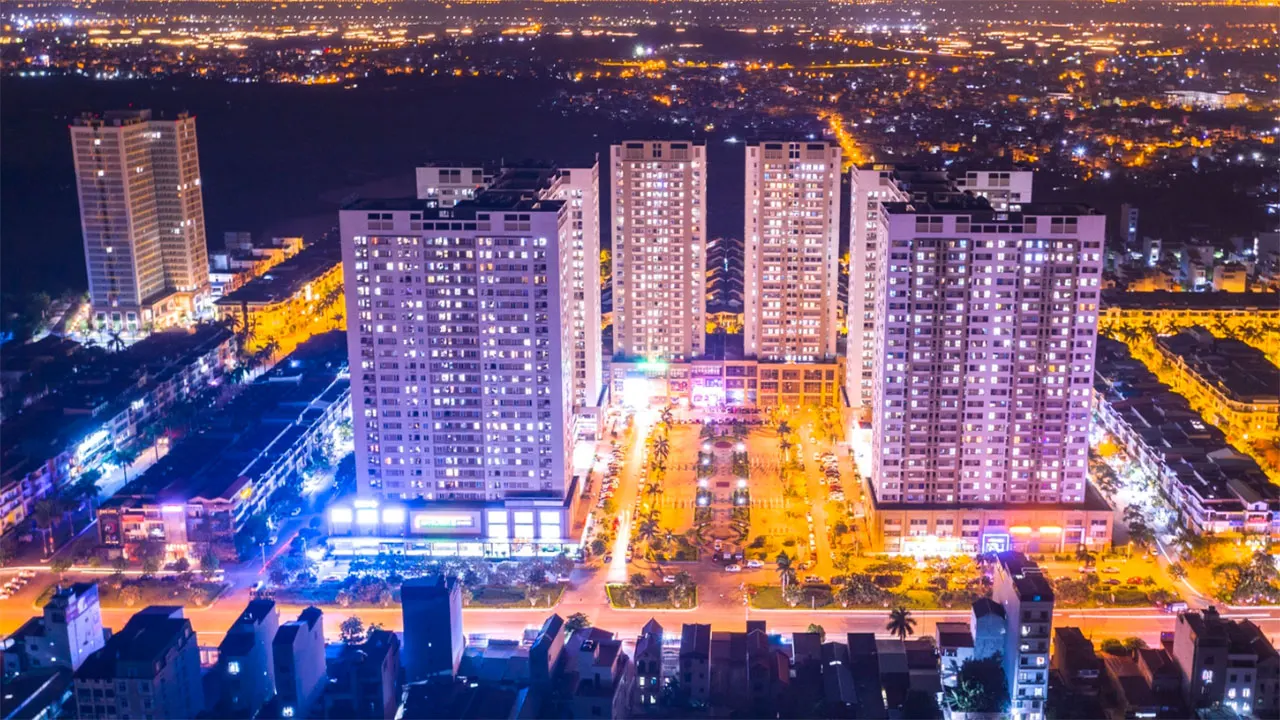



project information
PROJECT INTRODUCTION
Tan Tay Do Urban Area is a mixed-use urban development located at the western gateway of Hanoi. The project is developed under an integrated model combining high-rise apartment buildings, low-rise residential areas, and commercial-service spaces. It is designed to meet genuine housing demand while accommodating the ongoing trend of population movement toward suburban areas with increasingly well-developed transportation infrastructure.
Developed on a large-scale land area with synchronized planning, Tan Tay Do offers a balanced living environment that combines modern urban conveniences, internal green spaces, and an established service ecosystem. The project is an ideal choice for customers seeking a stable residence within an established community while enjoying convenient connectivity to central Hanoi and the rapidly developing western districts.
PROJECT INFORMATION
|
Item |
Details |
|
Project Name |
Tan Tay Do Urban Area |
|
Total Site Area |
25 ha |
|
Location |
National Highway 32, O Dien Area, Hanoi |
|
Developer |
Hai Phat Investment Joint Stock Company |
|
Property Type |
Mixed-use Urban Development (High-rise Apartments, Terraced Houses, Ecological Garden Houses) |
|
Ownership |
Long-term Land Use Rights Certificate |
LOCATION
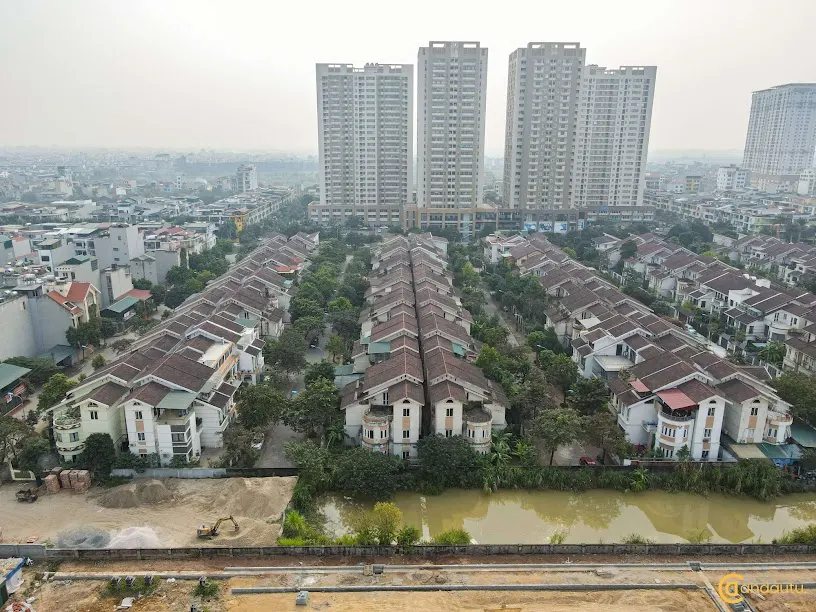
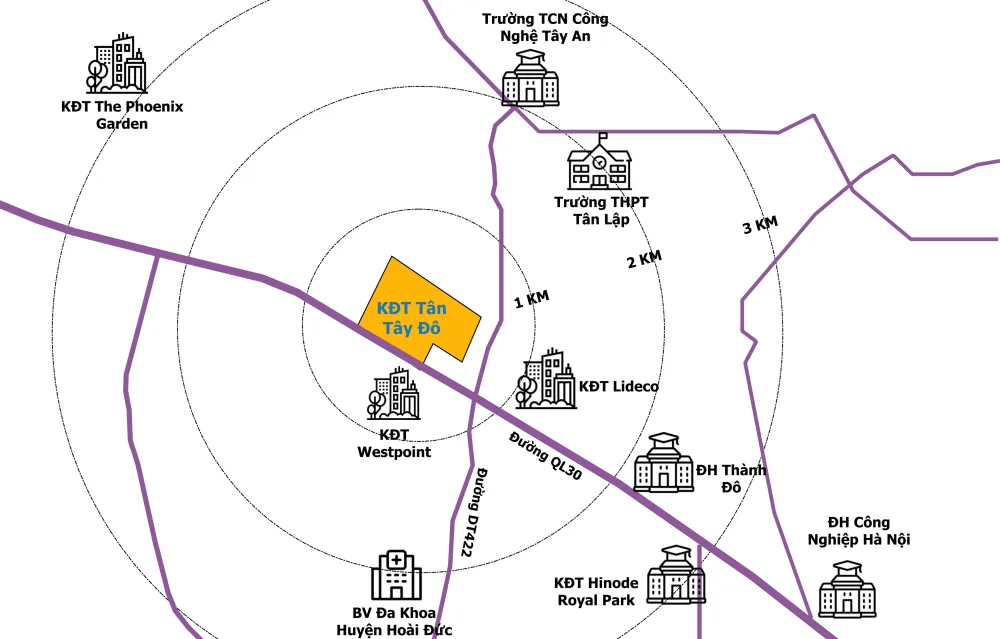
Tan Tay Do enjoys a strategic location along National Highway 32, one of the key transportation corridors connecting central Hanoi with Dan Phuong, Hoai Duc, Son Tay, and the northwestern satellite urban areas. From the project, residents can conveniently access major radial routes, including the extended Cau Giay Road, the extended Hoang Quoc Viet Road, National Highway 32, and the regional transportation network that continues to be upgraded and expanded.
The project's advantage lies in its ability to connect suburban living with an established urban ecosystem. The surrounding area is home to residential developments, schools, hospitals, traditional markets, shopping centers, and a wide range of commercial and public services supporting everyday life. This well-developed environment helps maintain the project's long-term residential value while creating favorable conditions for leasing, property transfers, and long-term asset appreciation.
MASTER PLAN
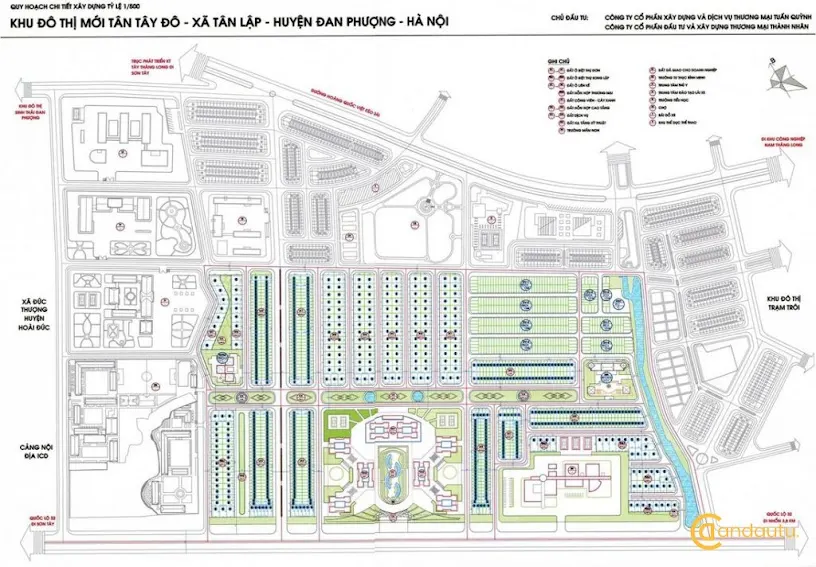
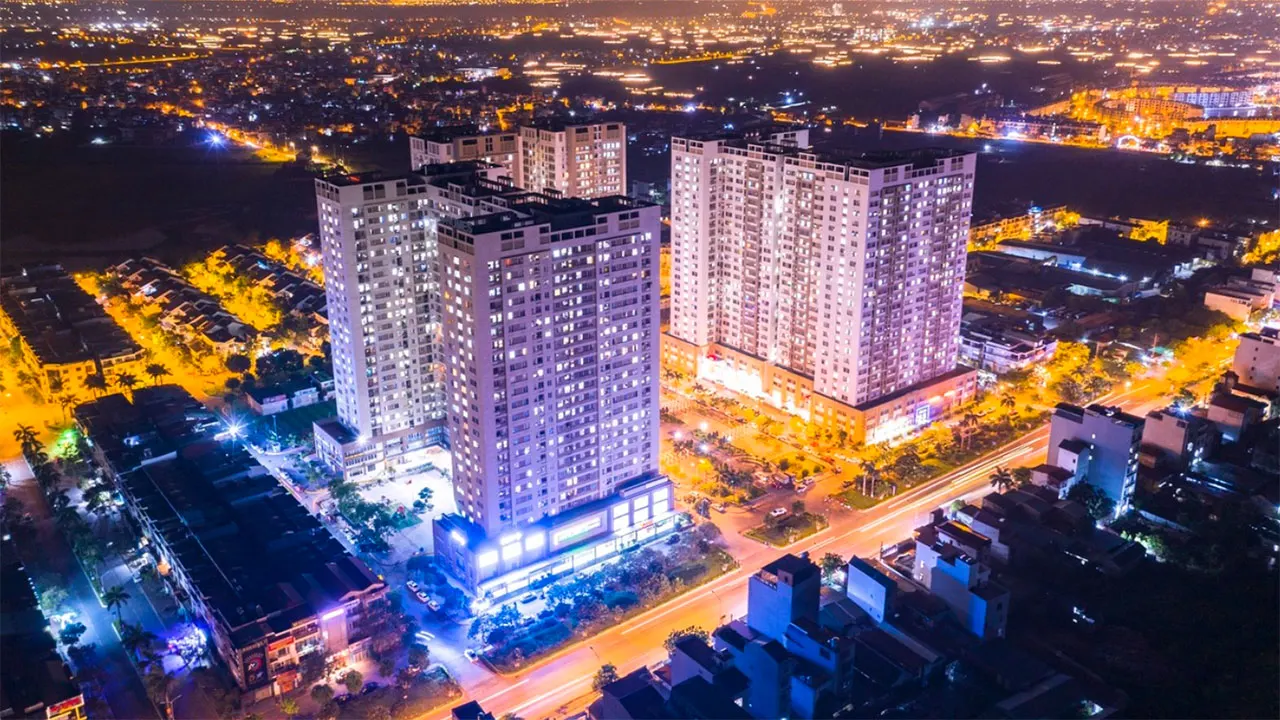
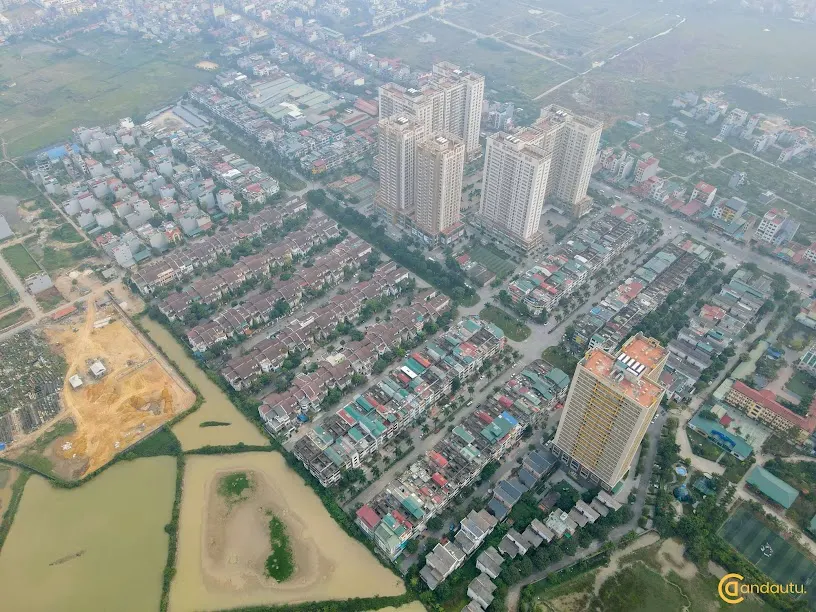
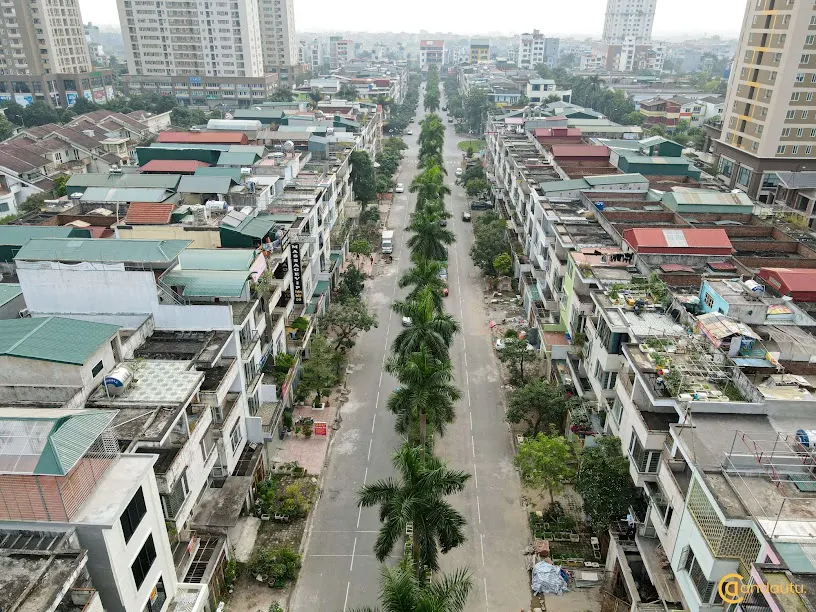
Tan Tay Do Urban Area is master-planned on approximately 25 hectares, following a mixed-use urban development model comprising high-rise apartment buildings, low-rise villas, terraced houses, and garden houses, together with commercial-service facilities and landscaped green spaces. The master plan is organized into clearly defined functional zones, enabling the project to simultaneously meet residential, commercial, and community living needs.
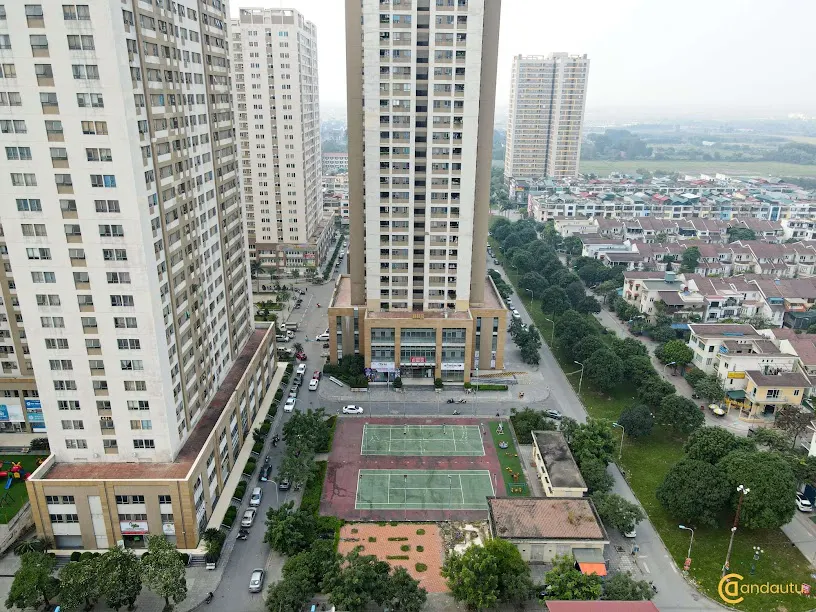
The high-rise zone consists of apartment buildings arranged in clusters, integrated with commercial and service podiums that provide convenient access to shopping, dining, entertainment, and everyday services. The low-rise zone is developed at a moderate density, prioritizing internal roads, landscaped areas, and privacy for each residential cluster.
Overall, Tan Tay Do has evolved into a well-established urban community with completed infrastructure, stable operations, and an existing residential population, creating a mature living environment at the western gateway of Hanoi.
PRODUCT SEGMENTS
Tan Tay Do Urban Area is organized into three primary functional zones: the High-rise Zone, the Low-rise Zone, and the Commercial-Service Zone, creating a balanced urban ecosystem that meets residential, commercial, and community living needs.
High-rise Zone
The High-rise Zone comprises apartment buildings CT1A, CT1B, CT2A, CT2B, HHA, and HHB. These buildings are developed under a mixed-use model combining residential apartments with commercial and service podiums, meeting the housing needs of young families, professionals working in western Hanoi, and customers seeking apartments with flexible layouts and sizes.
The apartment design emphasizes functionality, natural lighting, ventilation, and efficient use of living space. Commercial facilities located at the podium level allow residents to conveniently access essential daily services without leaving the urban area.
Low-rise Zone
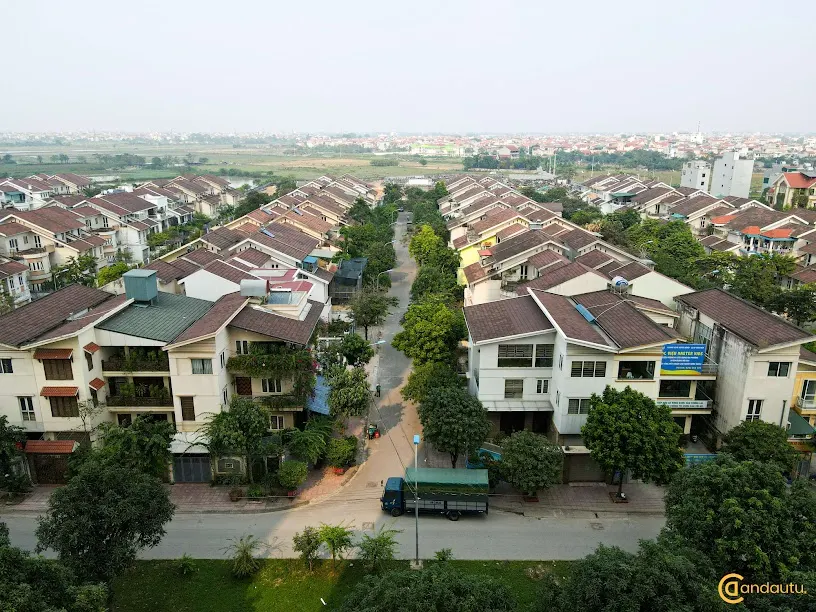
The Low-rise Zone consists of villas, terraced houses, and ecological garden houses, developed within a lower-density environment that offers greater privacy and more spacious living areas.
These low-rise properties provide flexibility for residential living, home offices, small-scale businesses, or long-term asset accumulation. Together with the apartment zone, they contribute to a diverse, well-balanced residential community with long-term stability.
Commercial-Service Zone
Commercial and service facilities are strategically located within the podiums of the apartment buildings and along the project's internal streets, supporting the daily needs of residents.
Facilities such as supermarkets, convenience stores, fitness centers, cinemas, restaurants, cafés, and neighborhood services enable the urban area to operate as a self-contained community capable of meeting most everyday needs within walking distance.
AMENITIES
The amenity system at Tan Tay Do Urban Area is developed with a practical approach, focusing on facilities that directly enhance residents' daily lives. Rather than emphasizing symbolic amenities, the project prioritizes high-frequency-use facilities, including commercial and service areas, children's playgrounds, landscaped green spaces, sports facilities, gyms, cinemas, and a comprehensive range of neighborhood services.
One of Tan Tay Do's greatest strengths is that its amenity system has already been fully established and is actively serving an existing residential community. The commercial podiums, retail outlets, and entertainment facilities provide residents with convenient access to shopping, recreation, fitness, and community activities without the need for long-distance travel.
In addition, landscaped gardens, internal walking paths, and shared community spaces create a more open and comfortable living environment compared with many high-density urban developments. The combination of completed infrastructure, operational amenities, and a well-established residential community enables Tan Tay Do to maintain its position as a stable long-term residential urban area at the western gateway of Hanoi.
Thư viện hình ảnh

Download Hải Phát Land Group’s Company Profile Now

Dự án liên quan



Hai Phat Land Group
Joint Stock Company
| Hanoi Office Address: | The Pride – An Hung Urban Area, Ha Dong Ward, Hanoi |
| Hotline: | 0916908822 |
| Zalo OA: | 0916908822 |
| Email: | info@haiphatlandgroup.com.vn |
Subscribe to Updates